

10 Shopify SEO Problems Holding Back Your Rankings (And How to Fix Them)
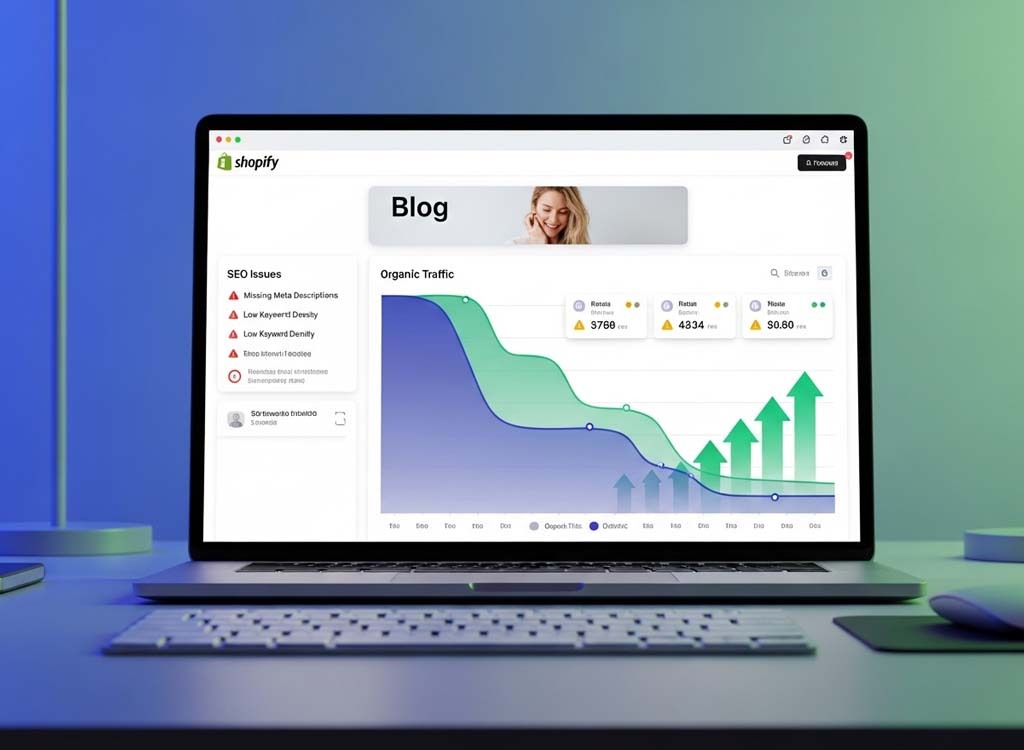
Why do so many Shopify stores struggle to rank even after months of SEO work? Data from multiple e-commerce audits shows that ranking issues are rarely caused by one major failure but by a collection of small, compounding problems that quietly hold stores back.
Most Shopify SEO problems sit beneath the surface, affecting crawlability, relevance, and user experience at the same time. Fixing them requires more than plugins or one-off tweaks. It requires consistent attention to technical health, content quality, and search engine optimization management that adapts as SEO updates continue to roll out.
Shopify SEO Problems That Block Visibility Early
Many Shopify stores lose ranking potential before Google even evaluates product quality. Structural issues often prevent pages from being crawled, indexed, or prioritized correctly.
Shopify SEO Problems Caused By Duplicate URLs
Shopify creates multiple URLs for the same product through collections, tags, and filters. When search engines see identical content across URLs, ranking signals get split.
Common fixes include:
- Using a single product URL across internal links
- Adding canonical tags to reinforce the primary version
- Limiting unnecessary tag and filter indexation
This alone can recover lost authority across large catalogs.
Weak Collection Pages Hurting Relevance
Collection pages often rank more easily than product pages, yet many remain under-optimized.
Key improvements include:
- Adding short, helpful copy above product grids
- Using clear H1 and supporting headings
- Internally linking related collections
Well-built collection pages support local SEO for e-commerce by helping stores rank for regional and intent-based searches.
Thin Product Content Reducing Trust
Products with copied or minimal descriptions struggle to rank and convert. Search engines expect detail that supports buyer decisions.
Strong product pages include:
- Clear benefits and usage guidance
- Care and material details
- Answers to common buyer concerns
This also reduces bounce rates, which indirectly supports performance after major SEO updates.
Core Web Vitals Dragging Rankings
Page experience now plays a direct role in visibility. Many Shopify themes and apps introduce layout shifts and delayed interactions.
Issues commonly come from:
- Large images without compression
- Third-party scripts are loading early
- Poor mobile optimisation
Improving speed aligns technical SEO with user experience, which matters when competing against a well-optimized Shopify competitor.
Unclear URL Structures
Long, cluttered URLs weaken relevance signals and user trust. Simple URLs improve crawl efficiency and click-through rates.
Best practices include:
- Short, readable slugs
- Hyphenated wording
- Removing unnecessary folders
Clean URLs help stores stay resilient during SEO updates.
Missing Image And Media Optimisation
Alt text alone is not enough. Images and video contribute heavily to e-commerce visibility when handled correctly.
High-impact improvements include:
- Descriptive file names
- Image compression and modern formats
- Product video with supporting text
This strengthens both accessibility and search presence.
Weak Internal Linking Limiting Crawl Depth
Stores with thousands of products often leave many pages underlinked. Search engines struggle to assign value when links are shallow.
Better structures include:
- Linking related products
- Connecting blogs to collections
- Using descriptive anchor text
This supports broader search engine optimization management across large stores.
Lack Of Structured Data
Without schema markup, products miss rich result opportunities like price, availability, and reviews.
Key schema elements include:
- Product details
- Ratings and reviews
- Stock status
Rich results increase visibility even when rankings remain stable.
Ignoring Content That Supports Buyers
Many stores focus only on products and skip supporting content. Educational posts attract users earlier in the buying cycle.
Effective content often covers:
- Buying guides
- Comparison articles
- Care and usage tips
This content also supports seo trends for e-Commerce, where informational intent feeds transactional growth.
No Ongoing SEO Monitoring
SEO does not stand still. Stores that set and forget often lose ground after algorithm changes.
Ongoing monitoring should include:
- Index coverage checks
- Page performance reviews
- Keyword movement tracking
Without this, small issues quietly grow into major Shopify SEO problems.
Common Shopify SEO Problems And Fixes At A Glance
Competing In A Crowded Shopify Space
Every store competes against at least one strong Shopify competitor investing heavily in SEO. Winning requires consistency, not shortcuts. Stores that align technical health, content quality, and performance signals tend to outperform those chasing trends alone.
This is where disciplined search engine optimization management matters. Strong systems absorb SEO updates without losing momentum and allow brands to scale without breaking visibility.
Turning Fixes Into Long-Term Growth
Fixing Shopify SEO problems is rarely about doing more. It is about doing the right things consistently. When technical foundations support content and user experience, rankings follow naturally.
Run Marketing helps e-commerce brands identify hidden SEO blockers, adapt to e-commerce SEO trends, and build systems that hold up against aggressive Shopify competitor strategies. If your store is not ranking where it should, the next step is not guessing. It is fixing what is quietly holding you back with guidance that scales.
FAQs
Q1: What are the most common Shopify SEO problems?
Common issues include duplicate URLs, thin product content, slow page speed, weak internal linking, missing schema markup, unclear URLs, and a lack of ongoing SEO monitoring.
Q2: How can I fix Shopify SEO problems quickly?
Focus on canonical tags for duplicates, expand product descriptions, optimise images, simplify URLs, add structured data, strengthen internal links, and monitor performance regularly.
Q3: Do SEO updates affect my Shopify store rankings?
Yes. Google and other search engines roll out frequent SEO updates, so consistent search engine optimization management is crucial to maintain visibility and stay competitive with Shopify competitors.
.svg)